



USMCA VS NAFTA: Everything You Need To Know!
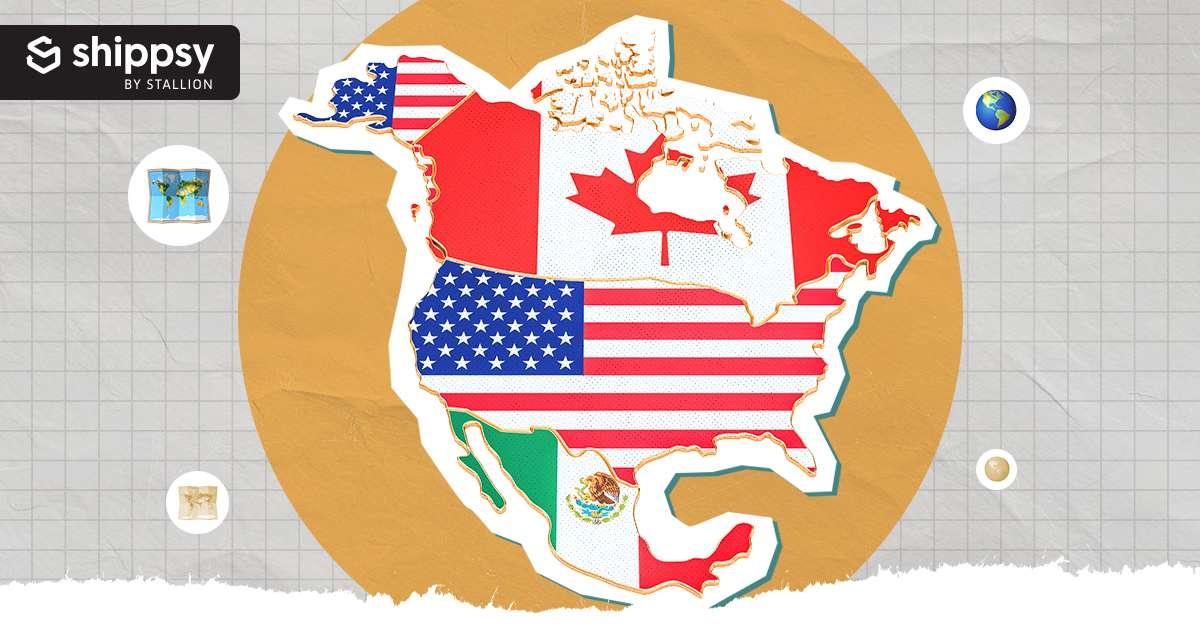
You've likely heard about the shift in the product exchange of the US, Canada, and Mexico. It’s brought up questions about what’s different and what’s still the same. Understanding USMCA vs NAFTA can help you know how these changes affect your cross-border shopping.
This blog breaks down the two North American agreements to help you clearly understand their differences.
Key Takeaways
- NAFTA stands for North American Free Trade Agreement. It was the first trade deal between the US, Canada, and Mexico, created to strengthen their economic ties and make it easier to buy and sell goods across borders.
- The US-Mexico-Canada Agreement (USMCA) is the updated version of NAFTA. It was made to fix issues in the old deal, like the lack of protection for workers’ rights. Plus, it covers new digital product exchange rules.
- Even with Canada’s new 25% retaliatory tariffs on some US goods, USMCA is still in effect and continues to apply to products that meet its rules.
What is NAFTA?
NAFTA stands for the North American Free Trade Agreement. It was a trade deal that began in 1994 between the United States, Mexico, and Canada. This aimed to reduce barriers to business exchange and boost economic collaboration between these countries.
While NAFTA successfully increased business between the countries, it had some issues. For example, it didn't address labour rights and environmental protections. These issues led to the creation of an updated agreement called the "USMCA."
What is USMCA?
The USMCA stands for United States-Mexico-Canada Agreement. It is sometimes referred to as the CUSMA or Canada-United States-Mexico Agreement.
It is the new trade deal that replaced NAFTA, and it aims to make product exchange between these countries fairer and more modern. This updated agreement covers new areas like digital trade and labour rules, which NAFTA didn’t address well.
Differences Between USMCA and NAFTA
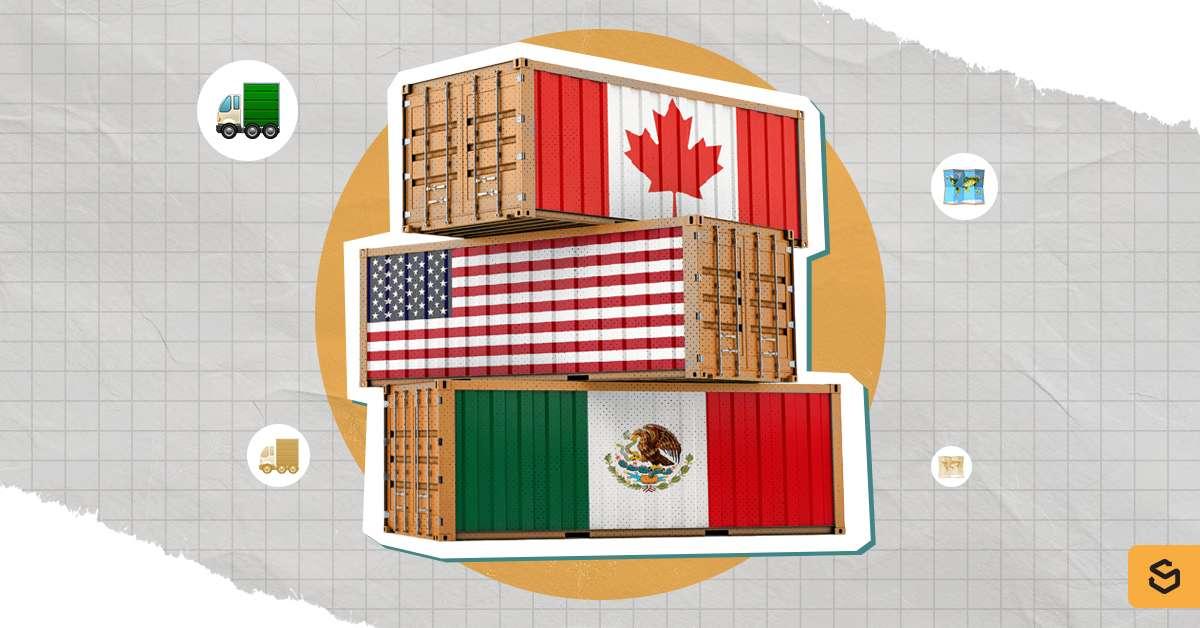
The USMCA brings several changes compared to NAFTA. Here’s a look at the main differences between the two agreements:
| Aspect | NAFTA | USMCA |
| Trade Rules | Created in the 1990s without provisions for the digital economy. | Updates exchange rules to fit today's economy with new digital exchange and online payment. |
| Basic and less detailed financial services rules. | Better financial service rules for fairer access between all three countries. | |
| Labour Laws | Labour laws were weaker, with fewer protections for workers’ rights and no focus on forced labour. | Stricter rules and penalties to protect against forced labour for North American workers. |
| Environmental Protections | Environmental issues were given less attention. | New rules for environmental cooperation and stopping overfishing subsidies. |
| Basic conservation measures and little focus on sustainability. | Enhanced protection for wildlife and promotion of sustainable practices. | |
| Limited public involvement. | Emphasizes public involvement in environmental matters. | |
| Minimal coverage of modern issues. | Improved provisions for air quality and marine litter. | |
| Digital Trade | Not addressed(pre-internet economy) | New rules for digital music, data storage, and cross-border services. |
| Primarily focused on traditional trade in goods. | Reduced barriers to electronic payment services | |
| No digital trade framework. | Covers duty-free digital goods, data flow, and source code protection. |
USMCA After 25% Tariffs
You’ve probably heard about the new 25% fees on certain US goods coming into Canada. It might sound complicated at first, but its impact on your everyday shopping is easy to understand.
Here’s what you need to know:
- The basic rules for USMCA duty-free shopping, which are the rules of origin, de minimis, and taxes, are still in effect.
- If a product qualifies as duty-free under USMCA, the 25% tariff won’t apply to it.
- The 25% tariffs are extra fees charged on certain US products being brought into Canada.
- You can look for alternative brands or products to avoid paying the extra 25% fee.
Remember, these rules can change, so it's good to check the Canadian customs website for the latest updates.
Let Shippsy Help You Navigate USMCA
As a package forwarding service, Shippsy can help you understand and use USMCA for your US-to-Canada shipments. We ensure that we provide transparency so you know what you are paying for.
Plus, Shippsy helps you save on shipping costs with the lowest cross-border handling fees. Enjoy rates starting at just 8.99 CAD—pricing may vary depending on your region in Canada!
Final Thoughts
Knowing the key differences between USMCA and NAFTA is crucial for shoppers from the US, Mexico, and Canada because this can help you take advantage of the agreement deals. This not only helps the country's economy but also allows you to save more on customs duties.

Jay Alagon serves as the business manager at Shippsy, where he aims to provide Canadians with access to all US retailers without worrying about high shipping costs, long delivery times, and complicated paperwork associated with cross-border shopping. Outside of work, he enjoys practicing martial arts and woodworking.
Read all posts written by Jayson Alagon